

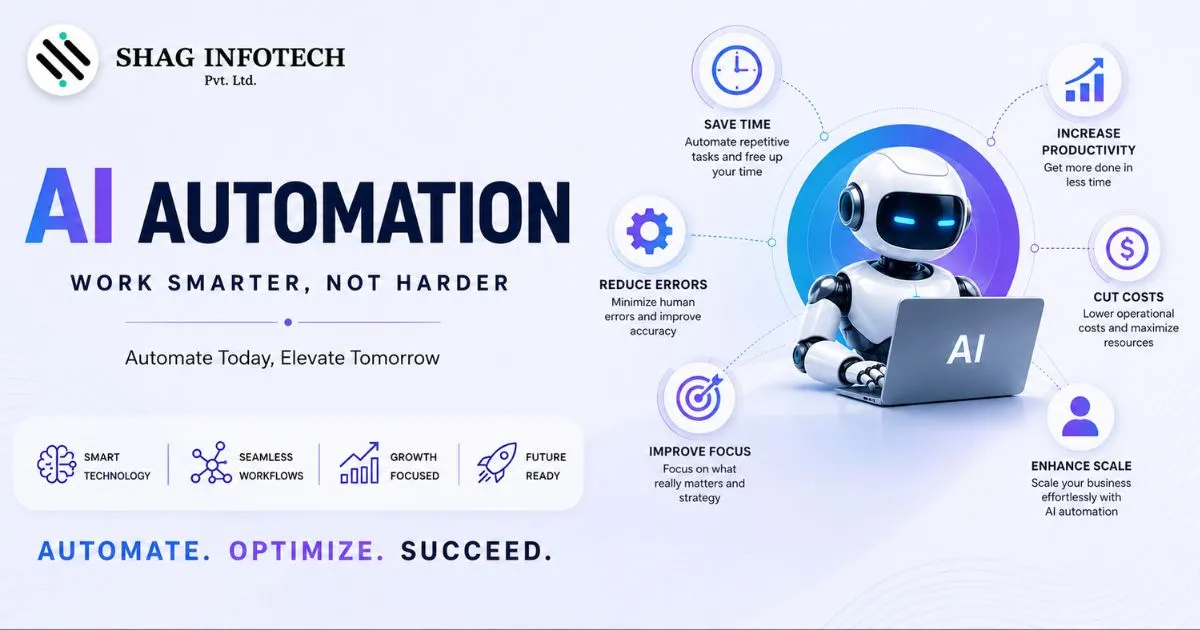
It is hard for companies to manage marketing campaigns manually as they grow bigger. The correctMarketing Automation Tools make it possible for them to automate tasks, nurture leads, communicate better with customers, and evaluate the performance of campaigns.
In today’s era, businesses use automation tools to save time, get better marketing results, and give a personal experience to customers. Whether you conduct email marketing, manage customer relations, or measure sales performance, there is an automation tool that will make everything easier and increase the productivity of your business.
This guide will provide information about the best marketing automation platforms in the current year, their functions, working process, and how to choose one.
Key Takeaways
- Marketing automation can save time by automating repetitive tasks in the marketing process.
- Companies can nurture leads using personalized experiences for customers.
- Integration with CRM helps manage customer relations.
- Marketing automation improves marketing effectiveness and increases report accuracy.
- The selection of the right platform should be done considering business size and marketing objectives.
Table of Contents
- What Are Marketing Automation Tools
- Why Businesses Use Marketing Automation
- Benefits of Marketing Automation
- Top Fifteen Best Marketing Automation Tools
- Comparison Table
- Best Practices
- Common Mistakes
- Practical Example
- FAQs
- Conclusion
What Are Marketing Automation Tools
Marketing automation tools refer to applications that perform repetitive marketing functions such as emails, nurturing leads, segmenting customers, creating reports, and managing work processes. With their assistance, organizations will be able to enhance efficiency, offer tailored customer experiences, and improve marketing effectiveness by reducing the effort required.
Without conducting each process individually, organizations utilize automation software to create pre-defined workflows for completing marketing activities automatically depending on customer behaviour.
Modern marketing automation solutions encompass the functionality of customer management, campaign automation, reports, analytics, and personalization all in one platform.
Automation is now employed by organizations of all sizes to enhance productivity as well as to provide a consistently high level of customer experience.
Why Businesses Use Marketing Automation
Marketing automation is used by companies for efficiency, reduction of manual tasks, improvement of customer relations, and generation of more qualified leads. The automation allows marketers to concentrate on planning while software helps in performing repetitive day-to-day tasks.
Some of the greatest benefits are:
- Improved campaign execution speed
- Effective customer segmentation
- Lead nurturing improvement
- Reduced manual mistakes
- Communication personalization
- Improved reporting
Most companies also use CRM Automation Tools to coordinate marketing and sales efforts and keep the customer data updated throughout the purchasing process.
Benefits of Marketing Automation
Marketing automation can assist companies in increasing their productivity, facilitating customer interaction, providing more chances for conversion, and managing marketing campaigns through data analysis. Marketing automation will promote the growth of the company and decrease its expenses.
Save Time
Automation reduces the necessity for repetitive manual effort and enables marketing departments to concentrate on planning and creativity.
Improve Lead Management
Companies use Lead Generation Tools for automatically capturing, qualifying, and nurturing leads before handing them over to the sales team.
Increase Marketing Efficiency
Consistency is improved in an automated workflow because everyone will receive the correct message depending on where they are in the buying process.
Better Customer Experience
Personalization creates a sense of trust and enhances the relationship with customers over time.
Companies often use a combination of automation and Email Marketing Automation for sending automated welcome messages, marketing campaigns, cart abandonment reminders, and follow-ups.
Expert Insight (EEAT)
The biggest mistake that companies commit in terms of automation is buying automation tools before laying out the steps in their marketing process. Automation starts with having a good customer journey, defined goals, and workflow processes. Only then can technology help improve efficiency in the process.
Industry Insight
AI-driven automation continues to transform digital marketing through enhanced capabilities in predictive analysis, customer segmentation, behavioural targeting, and campaign optimization. Companies adopting automation tend to benefit from a competitive edge as a result of rapid decision-making and personalized customer experience.
Top Fifteen Best Marketing Automation Tools
A good marketing automation solution should include workflow automation, CRM capabilities, personalized campaigns, analytics, and scalability. It is important to choose the appropriate solution based on your business size, goals in marketing, and budget.
1. HubSpot Marketing Hub
The HubSpot software is one of the most extensive automation tools available to businesses looking for a complete marketing package.
Best Features
- Email Automation
- Integration with CRM
- Landing Pages
- Lead Scoring
- Marketing Analytics
Pros
- Easy-to-use interface
- Powerful CRM integration
- Comprehensive automation features
- Excellent reporting and analytics
Cons
- Premium plans are expensive
- Advanced features require higher-tier plans
Best For: Startups, SMBs, and growing businesses.
Official Website: https://www.hubspot.com
2. ActiveCampaign
ActiveCampaign is famous for having highly advanced automation and customer experience tools.
Advanced automation workflows provided by ActiveCampaign enhance the engagement of customers during the sales cycle.
Best Features
- Customer Segmentation
- Email Marketing
- CRM
- Sales Management
- Personalization
Pros
- Advanced automation workflows
- Excellent email marketing
- Strong customer segmentation
Cons
- Learning curve for beginners
- Some features are limited in lower plans
Best For: Small and medium-sized businesses.
Official Website: https://www.activecampaign.com
3. Salesforce Marketing Cloud
Salesforce delivers enterprise-level automation for businesses that maintain extensive customer databases and complicated marketing strategies.
Best Features
- AI Personalization
- Journey Builder
- Customer Analytics
- Multi-channel Campaigns
- Enterprise Automation
Pros
- Enterprise-grade platform
- Powerful AI capabilities
- Excellent scalability
Cons
- Expensive
- Requires technical expertise
Best For: Large enterprises.
Official Website: https://www.salesforce.com/products/marketing-cloud/
4. Mailchimp
Mailchimp is no longer an email marketing service provider; rather, it has become a marketing automation service that is ideal for any business that is experiencing growth.
Best Features
- Email Campaigns
- Audience Management
- Landing Pages
- Customer Journeys
- Reporting
Pros
- Beginner-friendly
- Affordable plans
- Easy campaign creation
Cons
- Limited automation in free plan
- CRM features are basic
Best For: Startups and small businesses.
Official Website: https://mailchimp.com
5. Marketo Engage (Adobe)
Marketo automates advanced marketing campaigns for enterprise businesses, thus increasing customer engagement through several channels.
Best Features
- Lead Management
- Campaign Automation
- Predictive Content
- Analytics
- Account-Based Marketing
Pros
- Powerful enterprise automation
- Advanced lead nurturing
- Excellent analytics
Cons
- Expensive
- Complex implementation
Best For: Enterprise organizations.
Official Website: https://business.adobe.com/products/marketo.html
6. Brevo (Formerly Sendinblue)
Brevo is a budget-friendly marketing automation tool that integrates email marketing, SMS marketing, CRM management, and workflow automation into one system. Brevo is a good choice for organizations seeking a budget-friendly marketing tool that doesn’t compromise on automation features.
Best Features
- Email Campaigns
- SMS Marketing
- Marketing Automation
- CRM Integration
- Landing Pages
Pros
- Budget-friendly
- Email and SMS in one platform
- Easy automation setup
Cons
- Limited advanced reporting
- Fewer integrations than competitors
Best For: Small businesses and startups.
Official Website: https://www.brevo.com
7. Zoho Marketing Automation
The tool, Zoho Marketing Automation, is an ideal platform for automating lead nurturing, customer engagement, and marketing campaigns through multiple channels. The seamless compatibility with other Zoho applications makes this tool ideal for organizations using Zoho applications.
Best Features
- Lead Scoring
- Customer Segmentation
- Email Automation
- Campaign Analytics
- CRM Integration
Pros
- Affordable pricing
- Excellent Zoho integration
- Easy workflow creation
Cons
- Limited third-party integrations
- UI could be improved
Best For: SMEs and growing businesses.
Official Website: https://www.zoho.com/marketingautomation/
8. Pardot (Marketing Cloud Account Engagement)
The software is created for B2B businesses needing complex lead nurturing, automation of campaigns, and sales alignment. Pardot allows for collaboration between the marketing and sales departments based on unified knowledge of their customers.
Many companies use Pardot in conjunction with sales automation tools to shorten sales cycle time.
Best Features
- Lead Nurturing
- Lead Scoring
- Email Automation
- Campaign Reporting
- Salesforce Integration
Pros
- Excellent B2B automation
- Strong Salesforce integration
- Advanced lead management
Cons
- Premium pricing
- Best suited for Salesforce users
Best For: B2B enterprises.
Official Website: https://www.salesforce.com/products/marketing-cloud/account-engagement/
9. Keap
In one single platform, Keap provides CRM, marketing automation, invoicing, and sales management. Keap automates customer communication for small businesses and increases operational efficiency.
Best Features
- CRM
- Appointment Scheduling
- Automated Follow-ups
- Payment Integration
- Sales Pipeline
Pros
- Great for small businesses
- CRM + automation in one platform
- Easy follow-up automation
Cons
- Limited customization
- Higher pricing for small teams
Best For: Small businesses.
Official Website: https://keap.com
10. Omnisend
Ecommerce marketing automation is Omnisend’s forte as the company provides online shops with the service of automating their customer communication through emails, SMS, and personalized recommendations for products.
Best Features
- Email Automation
- SMS Marketing
- Product Recommendations
- Abandoned Cart Recovery
- Customer Segmentation
Pros
- Built for eCommerce
- Easy omnichannel marketing
- Excellent automation templates
Cons
- Mainly suitable for online stores
- Advanced features require paid plans
Best For: eCommerce businesses.
Official Website: https://www.omnisend.com
11. Drip
Drip specializes in customer lifecycle marketing by providing a very personalized experience of marketing to online businesses. The automation process in Drip is geared towards eCommerce.
Best Features
- Customer Segmentation
- Workflow Automation
- Email Marketing
- Purchase Tracking
- Analytics
Pros
- Excellent for eCommerce
- Powerful personalization
- Easy workflow builder
Cons
- Limited features for non-eCommerce businesses
- Premium pricing
Best For: Online retailers.
Official Website: https://www.drip.com
12. GetResponse
GetResponse incorporates automation, webinars, landing pages, and email marketing to make the software comprehensive enough for businesses that need a complete marketing solution.
Best Features
- Marketing Automation
- Landing Pages
- Webinar Hosting
- Email Marketing
- Conversion Funnels
Pros
- All-in-one marketing platform
- Built-in webinars
- User-friendly interface
Cons
- Limited CRM capabilities
- Some advanced features cost extra
Best For: Small and medium-sized businesses.
Official Website: https://www.getresponse.com
13. Oracle Eloqua
Oracle Eloqua offers enterprise-grade marketing automation services that include advanced campaign management, customer intelligence, and personalization features.
Best Features
- Campaign Automation
- Audience Segmentation
- Lead Management, Automated marketing workflows
- Customer Analytics
- Enterprise Reporting
Pros
- Enterprise-grade automation
- Highly scalable
- Advanced analytics
Cons
- Expensive
- Steep learning curve
Best For: Large enterprises.
Official Website: https://www.oracle.com/in/cx/marketing/automation/
14. Constant Contact
Constant Contact is an easy-to-use tool that can help you create automated emails, maintain customer lists, and increase engagement of your audience without much technical knowledge.
Best Features
- Email Campaigns
- Contact Management
- Event Marketing
- Reporting
- Automation
Pros
- Very easy to use
- Reliable email delivery
- Good customer support
Cons
- Limited advanced automation
- Basic reporting features
Best For: Small businesses and nonprofits.
Official Website: https://www.constantcontact.com
15. Klaviyo
Klaviyo assists online retailers in personalizing their customer communications through automated data management services. E-commerce firms popularly use this tool to boost customer retention and revenue.
In modern business, there is also the integration of Klaviyo and AI Marketing Tools.
Best Features
- Predictive Analytics
- Customer Segmentation
- Email Marketing
- SMS Automation
- Product Recommendations
Pros
- Excellent for eCommerce
- Powerful customer insights
- Advanced personalization
Cons
- Expensive for growing lists
- Best suited for online stores
Best For: D2C brands and eCommerce businesses.
Official Website: https://www.klaviyo.com
Quick Comparison of the Top 15 Marketing Automation Tools
| Tool | Best For | Main Strength |
| HubSpot | Growing Businesses | All-in-One Marketing |
| ActiveCampaign | SMEs | Advanced Automation |
| Salesforce Marketing Cloud | Enterprises | Enterprise Marketing |
| Mailchimp | Startups | Email Marketing |
| Marketo | Large Companies | B2B Marketing |
| Brevo | Small Businesses | Affordable Automation |
| Zoho Marketing Automation | SMEs | Zoho Integration |
| Pardot | B2B Companies | Lead Nurturing |
| Keap | Small Businesses | CRM + Automation |
| Omnisend | eCommerce | Omnichannel Marketing |
| Drip | Online Stores | Customer Lifecycle |
| GetResponse | SMEs | Webinar + Marketing |
| Oracle Eloqua | Enterprises | Enterprise Automation |
| Constant Contact | Small Businesses | Easy Email Marketing |
| Klaviyo | D2C Brands | Customer Personalization |
How to Choose the Right Marketing Automation Tool
The ideal automation software will vary based on your company size, marketing goals, budget, technical needs, and even plans. Software selected based on business need as opposed to popularity has always shown great results.
When choosing the software for yourself, consider:
- Business size
- Marketing budget
- Integration requirements
- Ease of use
- Reporting capabilities
- Customer support
- Scalability
- Security
For businesses that wish to automate repetitive marketing processes, it would be wise to opt for goodWorkflow Automation software.
Expert Recommendation (EEAT)
A good automation platform does not exist to fit all businesses. For small companies, affordability and ease of use become crucial factors, whereas big businesses will need advanced automation features, integration with CRMs, artificial intelligence, and enterprise-level reporting capabilities. It is important to check long-term scalability before implementation.
Practical Buying Checklist
Before purchasing any automation software, ask yourself:
- Does it support your business goals?
- Can it integrate with your CRM?
- Is the interface easy to use?
- Does it provide automation workflows?
- Can it scale with your business?
- Does it offer reliable customer support?
- Is reporting comprehensive?
- Does it fit your budget?
Businesses that utilize Business Productivity Tools along with automation tools usually enjoy better collaboration, faster workflows, and greater efficiency.
Best Practices for Using Marketing Automation
The best use of automation for businesses is when there are well-defined processes, quality customer information, and continual campaign optimization based on learnings. The right strategy will ensure that automation drives business growth and not merely replaces manual work.
Some best practices include:
- Set clear marketing goals before proceeding with implementation.
- Develop customer journeys by leveraging consumer behaviour.
- Maintain customer database hygiene.
- Accurately segment audiences.
- Test automation workflows regularly.
- Personalize customer communications.
- Track the effectiveness of campaigns.
- Improve automation using analytics.
It is important to understand that many developing companies also use professional Marketing Automation Services in order to achieve advanced workflows and ensure marketing efficiency.
Common Mistakes to Avoid
Many companies fail to obtain desired outcomes due to reasons such as the automation of ineffective processes, failure to segment customers, and heavy dependence on technology. Steer clear of these pitfalls to ensure proper performance of your automation initiatives and good relations with customers.
Avoid these common pitfalls:
- Automation without setting objectives.
- Not using customer segmentation.
- Over-automating emails through software.
- Working with old customer information.
- Not monitoring campaign effectiveness.
- Selecting automation software that can’t grow.
- Neglecting sales and marketing coordination.
- Not reviewing automation processes.
Don’t forget, Business Automation Software is there to aid your strategy, not replace sound thinking and analysis.
Practical Business Example
The company was having difficulty handling hundreds of leads that would come through their doors manually. They did not have a consistent marketing strategy; follow-up emails took a lot of time, and their sales team could not track how the customer interacted.
The company adopted an automated platform that had lead scoring, email workflow management, CRM integration, and analysis. They also adopted customer engagement tools that allowed for personalizing all their communications to customers.
Within six months, the following changes occurred in the business:
- Faster lead response time
- High email engagement
- Lead quality improvement
- Effective cooperation between marketing and sales departments
- Customer retention rate improvement
- Qualified sales opportunities
The automated system also established an automated sales funnel that allowed prospects to go through all the purchasing stages with minimal human involvement.
Frequently Asked Questions
1. What are Marketing Automation Tools?
Marketing automation tools refer to software solutions designed to handle routine marketing processes such as sending out emails, customer segmentation, lead nurturing, reporting, and workflow management. These tools can help organizations be more efficient in their operations.
2. Which marketing automation platform is best?
Depending on the size of your business, marketing needs, integrations required, and your budget, you should be able to determine the platform that works best for your company.
3. Do small businesses need marketing automation?
Yes. Automation can assist small firms in saving time, improving customer communication, nurturing leads, and managing their marketing efforts without increasing their staff.
4. Can marketing automation improve sales?
Sure. This is because automation will enhance lead nurturing, communication between customers and the sales process, enabling companies to turn more leads into customers.
5. Is marketing automation suitable for eCommerce businesses?
Certainly. Automation will help to recover abandoned carts, personalize products, conduct email campaigns, and retain customers.
6. How long does it take to implement marketing automation?
Implementation depends on the complexity of the business, integrations required, and campaign needs. Small businesses may implement simple automation within a few days, whereas enterprise implementations will take several weeks.
Conclusion
It is becoming an important necessity for those businesses seeking to increase productivity, create solid customer connections, and grow their marketing operations effectively. Selecting the right tool is based on the goals of your business and many other factors like budget and future development plans.
Instead of choosing tools only because they are popular, businesses should focus on the functionality of the software, its integration opportunities, and other aspects. Developing an effective automation plan will definitely bring business results to your company.
When seeking automation to help ensure sustainable business growth in the future, Shag Infotech offers tailored digital marketing services aimed at enhancing workflow efficiency, fostering customer interaction, and ensuring successful marketing campaigns.